Key Takeaways
- Eating plenty of fruits, vegetables, and whole grains can help good bacteria grow and protect the gut.
- Too many processed foods, sugary items, and saturated fats can tip the balance of gut bacteria in an unhealthy direction.
- Probiotics (like yogurt) and prebiotics (fiber-rich foods) work together to feed good bacteria and keep them strong.
- A diverse gut microbiome can support the immune system, digestion, and even mood.
- Balancing animal and plant proteins is important, because too much animal protein may increase bacteria linked to inflammation.
- Staying hydrated, managing stress, and being active can also support a healthy gut.
The Gut Microbiome
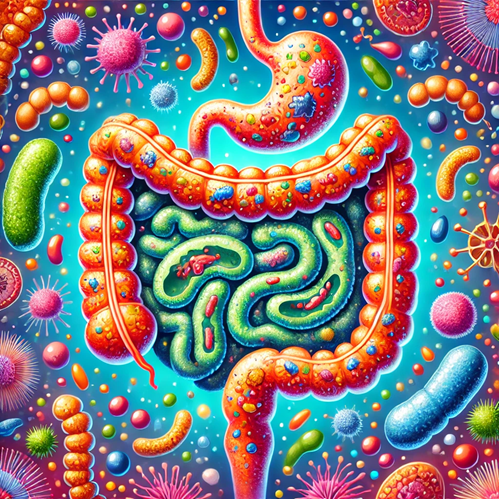
The gut microbiome is like a small ecosystem inside your digestive system. It is made up of trillions of tiny living things called microbes—some are bacteria, others can be fungi or viruses. Even though we can’t see them, they help us in many ways. For instance, they help break down food so our bodies can use nutrients for energy, growth, and repair. If you think about a forest, each tree, flower, and animal has a role. The same goes for your gut: every type of microbe works together to keep things balanced. As an expert, I’ve seen people who eat a variety of foods have better gut balance than those who eat only one type of meal every day. When your gut is balanced, you might feel better overall, have more energy, and even notice improvements in how often you get sick.
The Role of Diet in Shaping Gut Bacteria
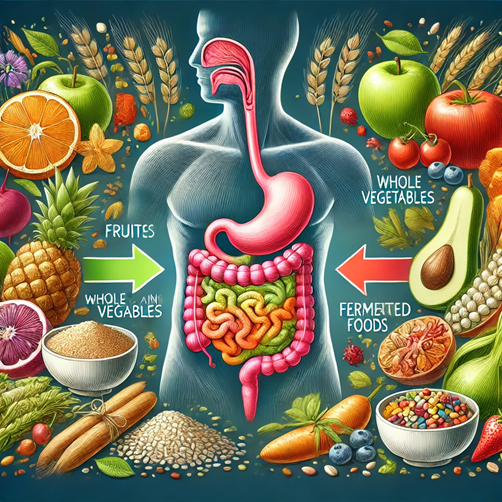
Diet plays a huge role in deciding which microbes grow or shrink in your gut. If you eat lots of fruits, vegetables, and whole grains, you feed helpful bacteria like Bifidobacteria and Lactobacilli. These friendly bacteria love the fiber in plant-based foods and can make special substances called short-chain fatty acids (SCFAs). SCFAs keep your gut cells happy and stop harmful bacteria from taking over. On the other hand, a diet full of sweet treats, processed meats, and sugary drinks can encourage harmful bacteria, increasing the chance of an upset tummy or other health problems. In my experience as a gut health specialist, changing your diet to include more fresh foods can often help fix minor digestion issues without needing extra medication.
Why Fiber Is a Superstar for Your Gut
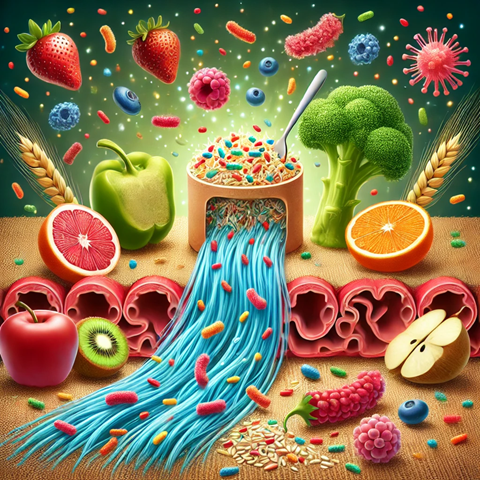
Fiber is a special part of plants that our bodies don’t break down easily. Instead, the good bacteria in our gut munch on it. This process creates SCFAs that help the cells in our large intestine stay strong. Fiber also keeps you regular and can prevent constipation by adding bulk to your stool. I’ve noticed in my practice that people who include enough fiber often report less bloating and fewer tummy troubles. Some of the best fiber sources are fruits, vegetables, whole grains, beans, and seeds. When you feed your good bacteria with fiber, they can multiply and keep the harmful ones in check. Just remember to introduce more fiber slowly so your body can adjust without getting gas or cramps.
The Impact of Processed Foods and Sugars
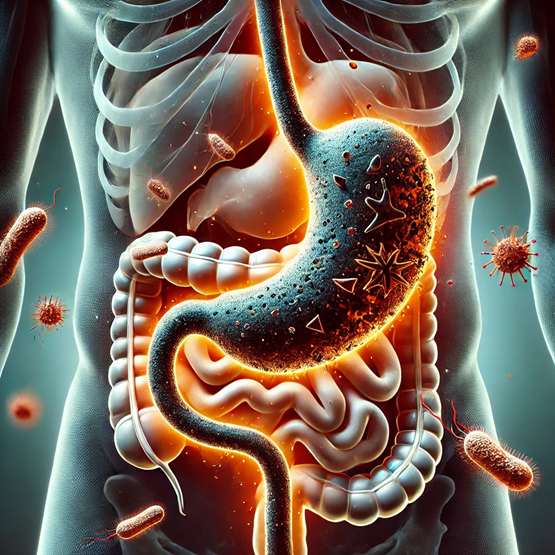
Processed foods and sugary snacks can change the balance of gut bacteria in a less helpful way. They often contain chemicals, additives, and too many refined carbohydrates that don’t support beneficial microbes. Instead, these foods can feed bacteria linked to inflammation and upset stomach. Long-term, an unhealthy balance of gut bacteria might contribute to weight gain, more frequent colds, or even mood problems. As someone who has researched digestive health for many years, I have seen that simply replacing soda with water or swapping a candy bar for a piece of fruit can make a noticeable difference. Sticking to fresh, whole foods whenever possible is a powerful strategy for better gut health.
Probiotics and Their Importance
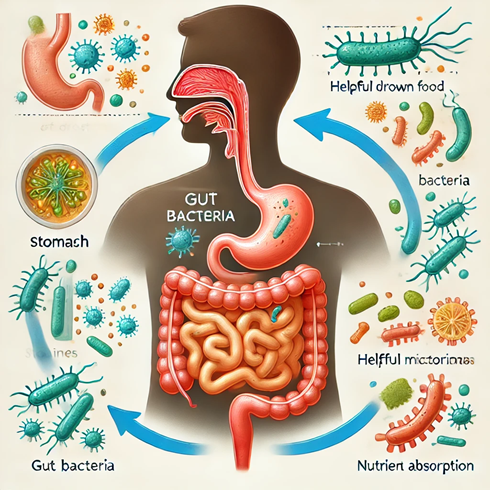
Probiotics are living microbes found in certain foods like yogurt, kefir, and fermented vegetables (such as sauerkraut). These tiny helpers travel to your gut to boost the population of good bacteria already there. As an expert, I usually suggest people try a probiotic-rich food every day if they have ongoing tummy issues or after taking antibiotics. Antibiotics can kill both good and bad bacteria, so reintroducing helpful strains can speed up the gut’s return to balance. If you are unsure about which probiotic supplement or fermented foods to pick, it’s best to talk to a healthcare professional. Also, combining probiotics with a balanced diet means these beneficial bacteria have enough nutrients to grow and stay active in your digestive tract.
The Power of Prebiotics in Feeding Good Bacteria
Prebiotics are fibers and natural compounds found in foods like onions, garlic, bananas, and oats. They serve as the favorite food for your gut’s beneficial bacteria. When we eat prebiotic-rich foods, we help the friendly microbes grow and multiply. This is a bit like planting seeds in a garden: the more we nurture them, the stronger they become. In my own experience working with people who have digestive problems, adding prebiotics can be an easy and gentle way to support healing. This is especially true if they also include probiotics in their diet. When prebiotics and probiotics work together, they can help restore balance to the gut faster than using just one of them alone.
Plant-Based vs. Animal-Based Diets
Plant-based diets are full of colorful fruits, vegetables, legumes, and whole grains. These foods often lead to a more varied and stable group of bacteria living in the gut. They also help the body fight inflammation. Animal-based diets can also be nutritious when balanced. However, some studies show that people who eat lots of red meat might encourage different bacteria that can be less helpful in the long run. I’ve found that a moderate approach—like including both plant proteins (beans, tofu, lentils) and lean animal proteins (fish, chicken)—can help many individuals keep a balanced microbiome. It’s important to listen to your body, notice how you feel after meals, and adjust to include more whole plant foods if you find you’re having digestive troubles.
How Gut Bacteria Affect Your Digestion
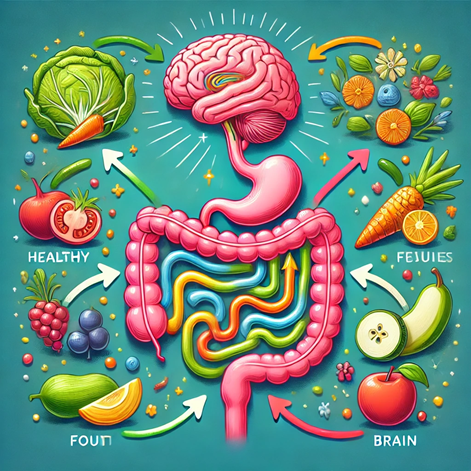
Gut bacteria help break down foods like complex carbohydrates, proteins, and fats. They transform some nutrients into SCFAs that feed cells in your large intestine, giving them energy. If the gut bacteria aren’t balanced, digestion can slow down or speed up in uncomfortable ways. For example, someone might experience gas, bloating, or diarrhea if harmful microbes grow too much. After many years of studying digestion, I’ve noticed that people with balanced gut flora often handle different food types without trouble. On the flip side, those with imbalanced bacteria might develop sensitivity to certain foods they once enjoyed. One technique to figure out which foods cause issues is to keep a food diary and pay attention to how your body reacts.
Strengthening Your Gut Barrier
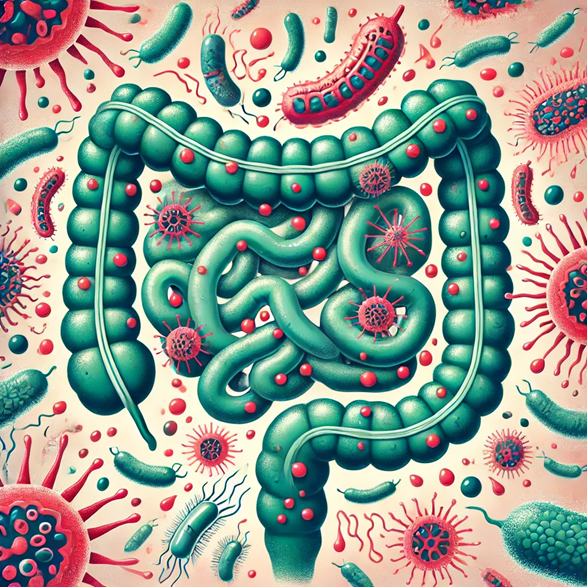
Your gut barrier is like a protective wall along your intestines. It lets helpful nutrients pass into your bloodstream while keeping harmful substances out. Good bacteria help keep this wall strong by making SCFAs and controlling inflammation. If your diet is filled with processed foods, extra sugar, or too much saturated fat, it can weaken this barrier. That’s when problems like “leaky gut” might occur, allowing toxins to enter your bloodstream and possibly cause other health issues. From my observations, eating a variety of whole foods, including fermented items and high-fiber choices, is a simple way to support gut barrier function. If you suspect gut barrier concerns, it’s wise to speak with a doctor for personalized advice.
Expert Tip: Practical Diet Changes for Everyday Life
Over many years, I’ve recommended small steps for people wanting to improve gut health. For example, try swapping white bread for whole grain bread or add an extra serving of vegetables at dinner. If you enjoy pasta, consider a lentil or whole wheat version. These changes may seem small, but they add up and create a healthier environment in your gut. Another tip is to replace sugary drinks with water, herbal teas, or fresh juices with no added sugar. Gradually adding more plant proteins and limiting fried or overly processed foods can also make a big difference. Checking in with yourself every week to see how you feel after these changes can help you adjust and find the perfect balance.
Final Thoughts on Diet and Gut Health
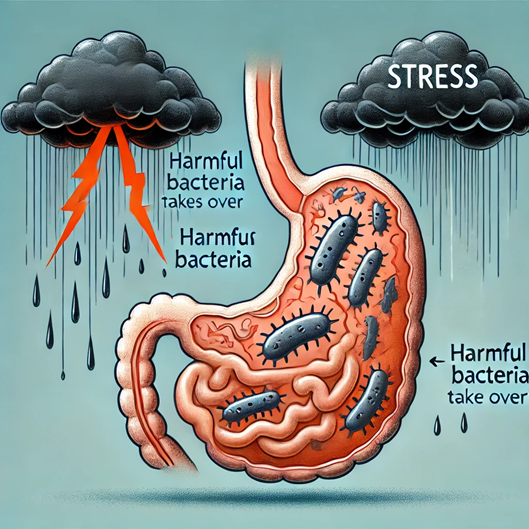
Your gut is a delicate community of bacteria, and what you eat shapes whether it thrives or struggles. Including fiber, probiotics, and a balance of healthy proteins can help keep the gut in good shape. It’s fine to have treats in moderation, but remember that processed foods and too much sugar can tip the balance toward harmful microbes. As an expert, I’ve seen the difference a mindful diet makes in people’s energy levels, digestion, and even mental well-being. While everyone is unique, focusing on whole, unprocessed foods is a universal step toward better gut health. Listening to your body, paying attention to signals like bloating or discomfort, and making small, steady diet changes can have a big effect on your overall wellness.
Frequently Asked Questions
Q1: How long does it take to see changes in gut health after changing my diet?
Most people start noticing small improvements within a few weeks of consistently eating more fiber and fewer processed foods. This can vary based on personal factors like age and overall health.
Q2: Can I get enough probiotics from food alone, or do I need supplements?
Many people can get enough probiotics through foods like yogurt, kefir, and kimchi. However, if you have specific health conditions or are recovering from antibiotic treatment, a supplement might help. Always speak with a healthcare professional for advice.
Q3: Is it bad to eat meat if I want a healthy gut?
Not necessarily. Lean meats and fish can be part of a balanced diet. Just try not to rely solely on meat. Including plenty of plant-based foods helps maintain variety in gut bacteria.
Q4: What are some common signs of an imbalanced gut?
Signs may include frequent bloating, gas, constipation, diarrhea, or even skin issues. If you notice these symptoms often, it might be time to examine your diet and talk to a doctor.
Q5: Does stress really affect gut bacteria?
Yes. Stress can change hormone levels and inflammation in the body, which can influence the types of bacteria in your gut. Finding ways to manage stress, such as exercise or hobbies, can support gut health.